Share Chikara Don Oka's obituary with others.
Invite friends and family to read the obituary and add memories.
Stay updated
We'll notify you when service details or new memories are added.
You're now following this obituary
We'll email you when there are updates.
Select your format and elements to print
IN LOVING MEMORY OF Chikara Don Oka
Chikara Don
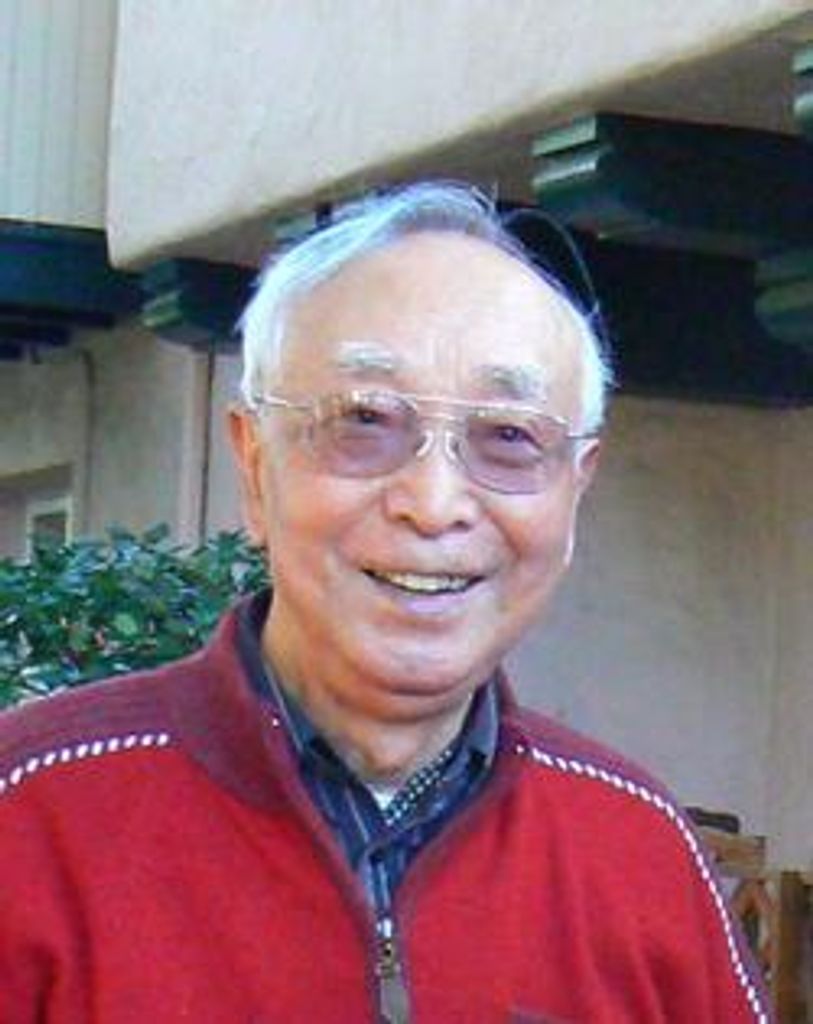
Oka
Jan 5, 1920 — Mar 10, 2015
Watsonville
Chikara Don Oka's Obituary
Chikara Don Oka, Personal History
January 5, 1920 – March 10, 2015
Chikara Oka was born on January 5, 1920, in Watsonville, California. He was the third of seven sons born to Shutaro Oka and Ariyo Itano. His older brothers were Isao, Masao; his younger brothers, Takeo, Teiji, Terumasa (Ted) and Hidekazu (Danny). From the age of five to seventeen, he lived in Japan, living with an aunt until 1932, then with his father who returned to Japan after Ariyo's death. Wanting to become a successful farmer, Chikara remained in Japan until 1937 to attend Takamatsu Agricultural High School. Upon graduation, he returned at the age of seventeen to the United States, traveling alone from Kobe to Castroville, California, where he began seasonal work harvesting lettuce and cutting grass for $0.35 an hour. Back then, 35 cents was enought to pay for a movie and a hamburger.
Despite being older, Don attended 8th grade at the local grammar school to learn English, studying through breaks, lunch and even after school. During winter, he traveled down to Los Angeles with Masao, attending Belmont High School during the week and working at a produce market on weekends. At the suggestion of one of his teachers, who felt he had an artistic sense, Don applied to and was accepted to the Otis Art Institute where he began his art studies in 1941. Three months later, on December 7, 1941, the infamous attack on Pearl Harbor by Imperial forces took place. On February 16, 1942, Don enlisted in the United States Army at the Presidio. After infantry training at Camp Robinson in Arkansas, he was assigned duty at Camp Crowder, Missouri and then Camp Carson, Colorado. While in Colorado, Don interviewed and tested for a position with the Military Intelligence Service, resulting in a move to Camp Savage, Minnesota, to attend MIS language school and training. The MIS soldiers served with every major unit and headqurters in the Army, Navy and Air Force, ciphering codes and cryptographs and serving as interpreters and translators in interrogation of enemy prisoners. Don himself served tours of duty in the Joint Intelligence Center – Pacific Ocean Area (aka JICPOA), the Aleutians Islands, the South Pacific, Saipan, Tinian and Iwo Jima. He always said he made US history by being the puniest gunnery sargeant ever at 5'7" and 117 pounds, soaking wet! Despite his modesty, the work performed by the MIS was credited with reducing the Allied war casualties and shortening the war by two years, an honorable service.
Don was a quiet, peaceful man who disliked the war and was devasted by the loss of his brothers, Takeo and Teiji who served on the side of Japan. However, when he was called to duty, he willingly served his country to the best of his ability. After his discharge in 1945, he had to have five ribs removed and spent the next seven years rehabilitating from service-related tuberculosis in Arizona. During those years, he drew upon his artistic talent to occupy his time, drawing cartoons depicting his daily life. In 1952, he won the Cartoon Contest for Hospitalized Veterans, sponsored by the National Cartoonist Society. Not well enough to travel, he was unable to attend the awards ceremony in New York, so he was sent a special award consisting of a collection of famous cartoon characters, including "Nancy", "Popeye", "Snuffy" and "Steve Canyon" drawn and autographed by the famous cartoonists of the time. Grampa treasured the framed award, especially the drawing of Steve Canyon by artist Milton Caniff. There was not a moment in his life that he did not proudly display it. After his discharge from the hospital, Don returned to LosAngeles, where he attended Chouinard Art Institute on the GI Bill and subsequently went to work as a graphic designer.
In 1960, he married Wakako Susa, the love of his life who would be his campanion for the next 46 years. By marrying Wakako, he also gained a step-daughter, Yukiko, a son, Isao and grandaughter, Michi. His second granddaughter, Naomi, came along the folowing year. In 1966, he started his own successful design studio on the corner of Hollywood and La Brea Boulevard, sharing office space with his good friends, Jack and Harry Harrington, where he designed poster, logos, flyers and other advertising and promotional materials for the next 32 years. He loved his work and the many friends he made in the arts and advertising fields over the years. In addition to his work, he enjoyed going to the race track regularly with Wakako, sometimes taking his two granddaughters. He enjoyed it so much that he became the proud owner of a number of race horses over the years. After he reitred from the graphic design business, the races were an almost daily activity.
Family was important to him. His weekends were often spent with his granddaughters – horsebackriding, Japanese movies, pancake breakfasts, visiting his horses in Chino or other fun outings. He would often take the whole family out for dinner in Chinatown and when the girls were older, dinner at the Magic Castle. When the great-grandchildren came along, he enjoyed the holidays with Darren and David who visited from New York. When the younger two great grandchildren were born, he found a new hobby – playing with them everyday! Sadly, Wakako was diagnosed with Alzheimer's disease at the age of 88. Where she once did everything for him, he found the tables turned and, not wanting to place her in a home, he cared for her himself. Because he knew how much she enjoyed the kids, he would still bring her almost daily to play with Harrison and Cassidy and enjoy a hot home cooked meal.
Eventually, in 2001, they moved in with Naomi and her family so Don could focus on caring for Wakako without having to worry about daily household tasks. After Wakako passed away in 2005, he revived his interest in cartooning, the horse races and dedicated more time sharing his WWII experiences with historians and journalists so that the legacy of the Nisei soldiers would be preserved for future generations. He continued to be an avid supporter of his great-grandkids, attending countless basketball games, piano recitals, dance concerts and gymnastics meets. He served as the interview subject with first-hand knowledge for his great-grandson's high school history paper. He enjoyed relaxing in the yard with two beagles for companions. He participated in the "Go For Broke" and other veterans events, visited the opera, and strolled Huntington Gardens. When he moved into the retirement home in 2011, he took calligraphy classes, exercise classes and enjoyed the various entertainment provided and still managed to visit the racetrack, grant interviews, and meet friends for lunch. He led a full and satisfying life. As was his wish, he now rests peacefully together with Wakako, living on in the hearts of family and friends.
January 5, 1920 – March 10, 2015
Chikara Oka was born on January 5, 1920, in Watsonville, California. He was the third of seven sons born to Shutaro Oka and Ariyo Itano. His older brothers were Isao, Masao; his younger brothers, Takeo, Teiji, Terumasa (Ted) and Hidekazu (Danny). From the age of five to seventeen, he lived in Japan, living with an aunt until 1932, then with his father who returned to Japan after Ariyo's death. Wanting to become a successful farmer, Chikara remained in Japan until 1937 to attend Takamatsu Agricultural High School. Upon graduation, he returned at the age of seventeen to the United States, traveling alone from Kobe to Castroville, California, where he began seasonal work harvesting lettuce and cutting grass for $0.35 an hour. Back then, 35 cents was enought to pay for a movie and a hamburger.
Despite being older, Don attended 8th grade at the local grammar school to learn English, studying through breaks, lunch and even after school. During winter, he traveled down to Los Angeles with Masao, attending Belmont High School during the week and working at a produce market on weekends. At the suggestion of one of his teachers, who felt he had an artistic sense, Don applied to and was accepted to the Otis Art Institute where he began his art studies in 1941. Three months later, on December 7, 1941, the infamous attack on Pearl Harbor by Imperial forces took place. On February 16, 1942, Don enlisted in the United States Army at the Presidio. After infantry training at Camp Robinson in Arkansas, he was assigned duty at Camp Crowder, Missouri and then Camp Carson, Colorado. While in Colorado, Don interviewed and tested for a position with the Military Intelligence Service, resulting in a move to Camp Savage, Minnesota, to attend MIS language school and training. The MIS soldiers served with every major unit and headqurters in the Army, Navy and Air Force, ciphering codes and cryptographs and serving as interpreters and translators in interrogation of enemy prisoners. Don himself served tours of duty in the Joint Intelligence Center – Pacific Ocean Area (aka JICPOA), the Aleutians Islands, the South Pacific, Saipan, Tinian and Iwo Jima. He always said he made US history by being the puniest gunnery sargeant ever at 5'7" and 117 pounds, soaking wet! Despite his modesty, the work performed by the MIS was credited with reducing the Allied war casualties and shortening the war by two years, an honorable service.
Don was a quiet, peaceful man who disliked the war and was devasted by the loss of his brothers, Takeo and Teiji who served on the side of Japan. However, when he was called to duty, he willingly served his country to the best of his ability. After his discharge in 1945, he had to have five ribs removed and spent the next seven years rehabilitating from service-related tuberculosis in Arizona. During those years, he drew upon his artistic talent to occupy his time, drawing cartoons depicting his daily life. In 1952, he won the Cartoon Contest for Hospitalized Veterans, sponsored by the National Cartoonist Society. Not well enough to travel, he was unable to attend the awards ceremony in New York, so he was sent a special award consisting of a collection of famous cartoon characters, including "Nancy", "Popeye", "Snuffy" and "Steve Canyon" drawn and autographed by the famous cartoonists of the time. Grampa treasured the framed award, especially the drawing of Steve Canyon by artist Milton Caniff. There was not a moment in his life that he did not proudly display it. After his discharge from the hospital, Don returned to LosAngeles, where he attended Chouinard Art Institute on the GI Bill and subsequently went to work as a graphic designer.
In 1960, he married Wakako Susa, the love of his life who would be his campanion for the next 46 years. By marrying Wakako, he also gained a step-daughter, Yukiko, a son, Isao and grandaughter, Michi. His second granddaughter, Naomi, came along the folowing year. In 1966, he started his own successful design studio on the corner of Hollywood and La Brea Boulevard, sharing office space with his good friends, Jack and Harry Harrington, where he designed poster, logos, flyers and other advertising and promotional materials for the next 32 years. He loved his work and the many friends he made in the arts and advertising fields over the years. In addition to his work, he enjoyed going to the race track regularly with Wakako, sometimes taking his two granddaughters. He enjoyed it so much that he became the proud owner of a number of race horses over the years. After he reitred from the graphic design business, the races were an almost daily activity.
Family was important to him. His weekends were often spent with his granddaughters – horsebackriding, Japanese movies, pancake breakfasts, visiting his horses in Chino or other fun outings. He would often take the whole family out for dinner in Chinatown and when the girls were older, dinner at the Magic Castle. When the great-grandchildren came along, he enjoyed the holidays with Darren and David who visited from New York. When the younger two great grandchildren were born, he found a new hobby – playing with them everyday! Sadly, Wakako was diagnosed with Alzheimer's disease at the age of 88. Where she once did everything for him, he found the tables turned and, not wanting to place her in a home, he cared for her himself. Because he knew how much she enjoyed the kids, he would still bring her almost daily to play with Harrison and Cassidy and enjoy a hot home cooked meal.
Eventually, in 2001, they moved in with Naomi and her family so Don could focus on caring for Wakako without having to worry about daily household tasks. After Wakako passed away in 2005, he revived his interest in cartooning, the horse races and dedicated more time sharing his WWII experiences with historians and journalists so that the legacy of the Nisei soldiers would be preserved for future generations. He continued to be an avid supporter of his great-grandkids, attending countless basketball games, piano recitals, dance concerts and gymnastics meets. He served as the interview subject with first-hand knowledge for his great-grandson's high school history paper. He enjoyed relaxing in the yard with two beagles for companions. He participated in the "Go For Broke" and other veterans events, visited the opera, and strolled Huntington Gardens. When he moved into the retirement home in 2011, he took calligraphy classes, exercise classes and enjoyed the various entertainment provided and still managed to visit the racetrack, grant interviews, and meet friends for lunch. He led a full and satisfying life. As was his wish, he now rests peacefully together with Wakako, living on in the hearts of family and friends.
To send flowers with our preferred florist or plant a memorial tree, please visit our flower store.
Chikara Don Oka's Guestbook
Visits: 5
This site is protected by reCAPTCHA and the
Google Privacy Policy and Terms of Service apply.
Service map data © OpenStreetMap contributors